Professional Snake Removal Near You
Experienced Wildlife Extraction Services: Defending Your Property Respectfully
Expert wildlife removal services play an essential role in preserving a balance between human habitation and local ecosystems. By focusing on humane methods, these experts address wildlife issues without inflicting injury. They utilize live traps and relocation strategies, guaranteeing the well-being of animals while safeguarding properties. Recognizing the importance of this approach prompts questions about the effectiveness of various techniques and how they can foster coexistence. What are the most common challenges in this field?
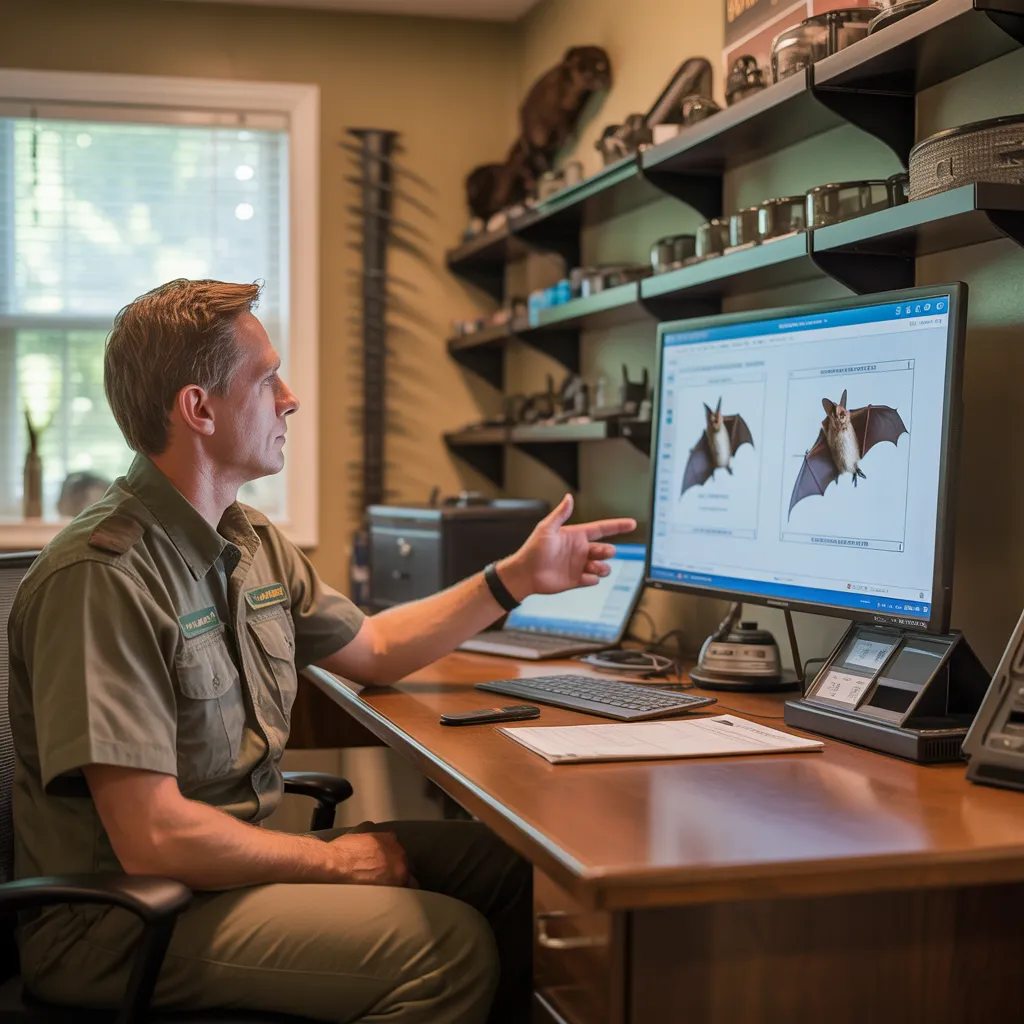
Why Kind Wildlife Removal Warrants Consideration
Humane wildlife removal exemplifies the principle of mutual cohabitation, harmonizing the needs of both humans and animals. This approach recognizes that wildlife often seeks shelter and resources in human-occupied areas, resulting in potential conflicts. By utilizing humane methods, wildlife removal services prioritize the safety and welfare of animals while tackling human concerns.
These offerings concentrate on non-lethal strategies such as relocation and prevention, avoiding extermination. This lowers animal suffering and supports a healthy ecosystem. Furthermore, humane removal practices promote public awareness and education regarding local wildlife, encouraging respect and understanding.
Communities enjoy benefits from reduced wildlife-related issues, ultimately leading to a more harmonious relationship between humans and nature. As urban areas expand, the importance of compassionate animal removal becomes increasingly evident, ensuring a sustainable coexistence that respects the intrinsic value of all living beings.
Prevalent Beast Obstacles and Merciful Treatments
As metropolitan regions grow, various wildlife often venture into residential areas, producing typical problems such as structural destruction, review this content medical threats, and disturbances. Raccoons, for instance, can breach attics, causing building harm and noise. Squirrels may chew wires, posing fire hazards. Additionally, deer can harm gardens and landscaping, while birds may nest in inappropriate areas, heightening the risk of droppings that carry diseases.
Techniques for managing these issues prioritize prevention and exclusion. Installing secure trash bins and using raccoon-proof bird feeders can prevent scavengers. For squirrels, blocking access points and supplying alternative nesting sites can minimize invasions. Landscaping adjustments, such as cultivating deer-resistant plants, can help defend gardens. These strategies not only mitigate wildlife conflicts but also foster peaceful coexistence, ensuring both property safety and the health of local wildlife.
How Professionals Evaluate Wildlife Issues
Experts evaluate wildlife concerns using a systematic approach that incorporates observation, evidence collection, and analysis. Initially, they perform a thorough examination of the property, seeking for signs of wildlife presence such as droppings, tracks, or nesting materials. This physical evidence helps determine the species involved and the extent of the problem.
Next, experts assess potential entry points and environments that might attract wildlife, considering elements like nutrition availability and refuge. They also examine the property's environment, encompassing grounds design and building components, to identify any modifications that can reduce future issues.
Additionally, experts may gather information from residents about disturbances or sightings, supplying crucial context for their assessment. By integrating these various elements, wildlife removal professionals can develop a detailed comprehension of the situation, making certain that subsequent actions are informed and productive in addressing the wildlife concerns.
Compassionate Strategies for Secure Critter Removal
Applying ethical practices for animal removal protects the well-being of both the animals and the environment. Experts in this sector employ approaches intended to lessen distress and damage to the creatures affected. Live traps, as an example, are widely used to apprehend animals without causing injury. Following entrapment, wildlife is usually relocated to suitable environments away from human homes, ensuring their welfare.
Additionally, professionals may use exclusionary methods, such as sealing entry points, to stop future intrusions. This method emphasizes altering the habitat rather than injuring the animals. Employing natural deterrents, like scents or sounds that deter animals from drawing near, further improves security. Informing homeowners about strategies for coexistence is also part of the humane approach, fostering regard for local wildlife. In summary, these techniques reflect a dedication to ethical practices, balancing people's requirements with the protection of animals.
Methods for Preventing Wildlife Encroachments
Preventing wildlife intrusions demands proactive measures that create an environment less attractive to animals. Homeowners should start by securing trash bins with tight-fitting lids and keeping food items, such as pet food and birdseed, indoors or in closed storage. Additionally, gardens should be fenced or protected with netting to deter foraging animals.
It is important to close possible openings, such as cracks in roof areas, walls, and foundations, using materials like steel mesh or sealant. Regularly inspecting and maintaining buildings can help detect weak points before they become a problem.
Landscaping decisions also play a key part; selecting native plants can minimize the appeal to certain wildlife. Finally, removing standing water and debris eliminates habitats that attract animals. By putting into practice these strategies, property owners can greatly decrease the likelihood of unwelcome wildlife meetings.
The Advantages of Sharing Space With Local Wildlife
Sharing space with local wildlife delivers considerable perks, such as natural pest control via predatory species. Moreover, building a diverse ecosystem increases biological variety, aiding environmental equilibrium. Understanding these gains can encourage more cooperative interactions between humans and wildlife.
Natural Insect Control Advantages
Welcoming local wildlife can enhance eco-friendly pest control by bringing a lasting solution that aids both ecosystems and homeowners.By allowing native species such as birds, bats, and helpful bugs to flourish, properties can successfully control pest populations without chemical interventions.These animals often prey on insects that threaten gardens and crops, minimizing pesticide use.Furthermore, fostering a natural balance helps sustain healthy soil and promotes pollination, essential for plant growth.By adopting this approach, homeowners may create a more resilient environment and also contribute to the preservation of local biodiversity.By coexisting with wildlife, one not only protects properties but also supports the health of the surrounding ecosystem.

Biodiversity Fostering Strategies
When homeowners acknowledge the importance of local wildlife, they can set up efficient biodiversity encouragement strategies that build a serene landscape. Sowing native plants not only delivers food and habitat for assorted species but also strengthens the appeal of properties. Installing birdhouses and bat boxes can invite advantageous animals that help control pests naturally. Homeowners can make water features, such as ponds or birdbaths, to facilitate local fauna. Additionally, limiting pesticide use and sustaining organic gardens bolsters a healthier natural system. By accepting these methods, individuals not only strengthen their properties but also play a part in conserving local biodiversity, creating a mutual harmony with wildlife that benefits both the natural world and the community.
Regularly Posed Questions
What Qualifications Do Wildlife Removal Experts Typically Have?
Experts in wildlife removal usually carry pertinent certifications, experience in animal behavior, knowledge of local laws, and training in humane handling techniques. Many hold degrees in wildlife biology, environmental science, or a related area, ensuring effective and ethical practices.
How Expensive Are Specialist Wildlife Removal Services?
Wildlife removal services from professionals typically range from $150 to $500, determined by factors including the type of creature, the degree of infestation, and the strategies utilized for extraction and control.
Is Wildlife Removal Safe for Domestic Animals Using Various Methods?
Animal removal methods can vary in safety levels for pets. Many professionals prioritize humane approaches, guaranteeing minimal risk. However, pet parents should inquire about specific methods used to guarantee their animals' protection during the extraction procedure.
What ought to I perform While waiting for the Expert's arrival?
Awaiting the expert's arrival, the homeowner should keep pets inside, eliminate food supplies, and block entry points. Observing the situation quietly guarantees safety and reduces stress for both the animals and household members.
What Is the Process for Filing Illegal Wildlife Control Techniques?
To inform authorities about illegal wildlife removal practices, people should reach out to local wildlife authorities or conservation agencies, supplying comprehensive details about the situation. They may also document evidence, such as photographs or video footage, to substantiate their statements.